A little frost in the freezer may not seem like a big deal. But when thick layers of ice start building up, or water keeps collecting beneath the vegetable tray, using the refrigerator can quickly become a daily hassle.
Before switching off the appliance and waiting for all that ice to melt, it is worth checking what could be causing the problem. Excess frost and water inside a refrigerator can be linked to poor door sealing, blocked airflow, incorrect temperature settings or a problem with the defrost system.
The good news is that some of the most common causes are easy to check at home.
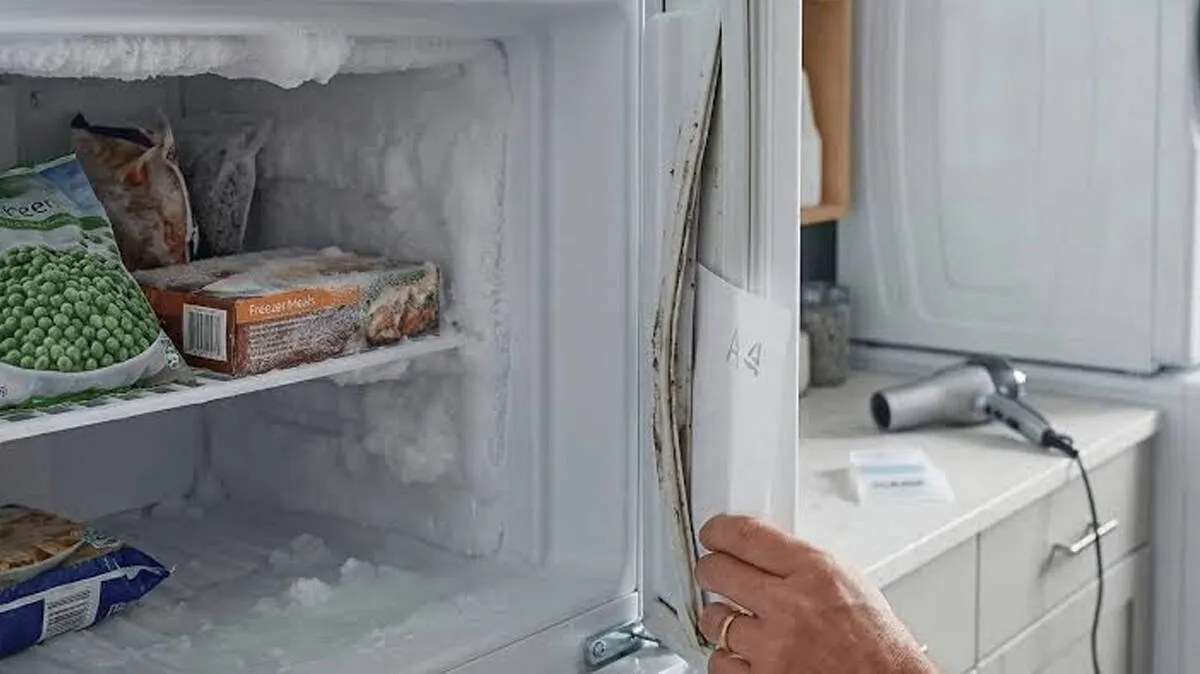
The rubber gasket around the refrigerator and freezer doors helps keep warm, humid air from getting inside. If it is dirty, damaged or not closing tightly, moisture can enter and eventually turn into frost.
There is a simple way to check the seal. Place a piece of paper between the door and the gasket, close the door and gently try to pull the paper out. If it slips out very easily, the seal may not be tight enough.
Give the gasket a good clean with a soft cloth and warm water, particularly if you notice dirt or food residue along the edges. If the rubber is cracked, loose or damaged, cleaning alone may not solve the problem and the gasket may need to be replaced.
Temperature settings can make a difference when dealing with frost and moisture. Rather than simply turning the refrigerator colder, check the manufacturer's recommended setting.
For food safety, the US Food and Drug Administration recommends keeping the refrigerator at 40°F (4°C) or below and the freezer at 0°F (-18°C). Using an appliance thermometer can help you check whether the actual temperature matches the setting on the control.
If food in the regular refrigerator compartment is freezing unexpectedly or frost is building up unusually quickly, it is worth checking the temperature before making further adjustments.
The way food is stored can also affect moisture inside the refrigerator.
Leaving food uncovered can allow moisture to escape into the compartment, while spills and condensation can add to the problem. Store cooked food and leftovers in covered containers or sealed bags, and clean up spills as soon as they occur.
There is also no need to leave large amounts of freshly cooked food sitting outside for long periods simply to “cool down” before refrigerating it. The FDA recommends refrigerating perishable foods and leftovers within two hours.
A packed refrigerator may look organised, but filling every available space can interfere with the circulation of cold air.
Try to leave enough room around food items and make sure the refrigerator's air vents are not blocked. Good airflow helps maintain more even cooling throughout the appliance.
This is especially worth checking if some parts of the refrigerator feel much colder than others.
If the main problem is water collecting beneath the vegetable or crisper drawer, the defrost drainage system could be worth investigating.
Refrigerators with automatic defrost systems produce water during the defrost cycle, which normally drains away. If the drainage path becomes blocked, water can collect inside the refrigerator instead.
However, avoid poking the drain with a sharp object or randomly inserting a wire into it. Drain systems vary between refrigerator models, so follow the cleaning instructions in the appliance manual. If the drain is inaccessible or the problem keeps returning, it is better to have the refrigerator checked by a qualified technician.
Where and how the refrigerator is positioned can also matter. The appliance should be installed according to the manufacturer's instructions, including the recommended clearance around it.
It should also be properly levelled. If you notice that water repeatedly collects inside despite cleaning the drain and checking the other possible causes, make sure the refrigerator is sitting correctly before assuming that a major repair is needed.
Turning the refrigerator off can melt accumulated ice, but it does not necessarily solve the reason the ice formed in the first place.
If frost quickly returns after defrosting, look for the underlying cause. Check the door gasket, temperature, airflow and drainage first. If the appliance continues to develop heavy frost or water even after these basic checks, there may be an issue with the defrost system or another internal component.
In such cases, a service technician can identify the actual fault instead of relying on repeated manual defrosting.
A little attention to the refrigerator's seal, temperature, airflow and drainage can go a long way. And if the ice keeps coming back no matter what you do, that is usually a sign that the problem needs more than just another round of cleaning.













 HOME
HOME LATEST
 NOTIFIED NEWS
 POLL
POLL KERALA
  EDITORIAL
  INDIA
INDIA  WORLD
WORLD  CINEMA
  SPORTS
  LIFESTYLE
  SPECIAL
  SCIENCE & TECHNOLOGY
 |
|