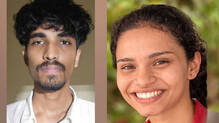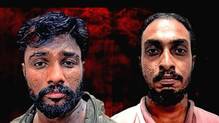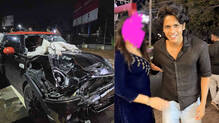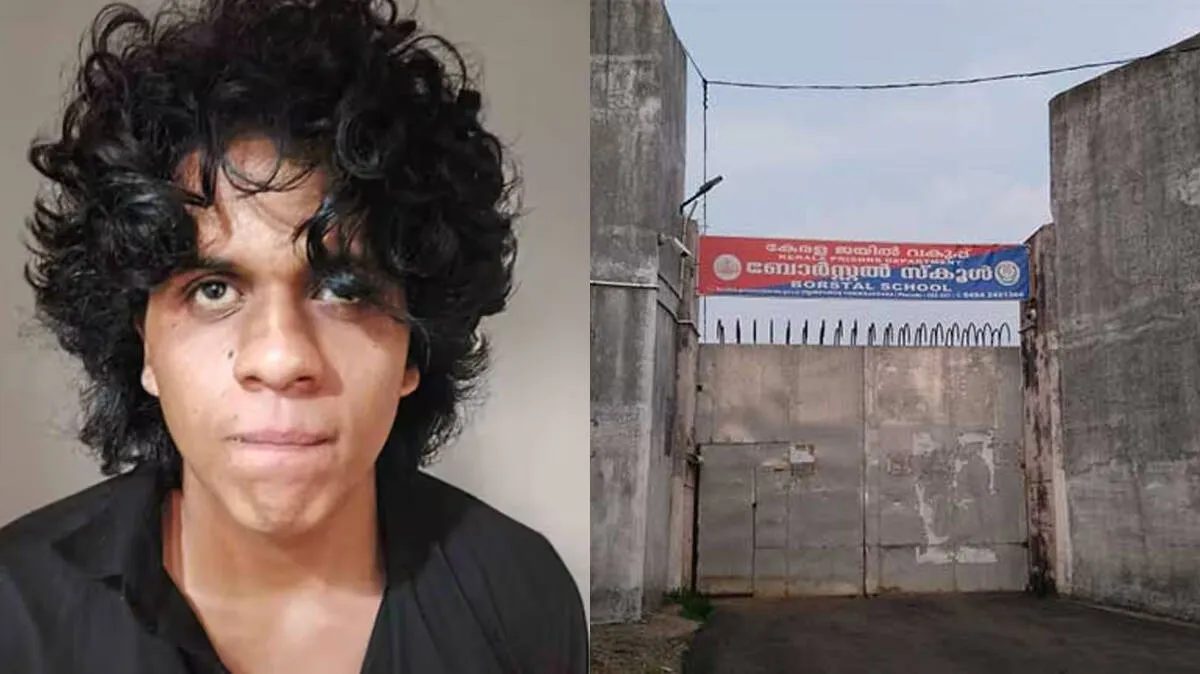
Suhail Sajeev—the accused in a Mini Cooper accident at Nedumbassery that claimed three lives—will be lodged in Kakkanad Borstal School. There is significant debate over sending the 19-year-old accused to a Borstal School instead of a regular prison. Is this a juvenile home? What facilities are available there, and how does it differ from other prisons?
The Borstal school system came to India during British rule. These schools were based on the idea that young offenders need not carry the shame of being branded as criminals for life but instead be reformed and reintegrated into mainstream society. Unlike the punitive methods in conventional prisons, these institutions emphasise education, vocational training, sports activities, discipline, and social rehabilitation.
Borsal is a correctional and rehabilitation facility designed to house young offenders aged between 18 and 21. Kerala's only Borstal School is located at Thrikkakara in Ernakulam district. The institution operates on a six-acre campus and comprises 16 cells, with a total capacity to accommodate 66 inmates. Unlike standard prisons, which focus on confinement, this facility prioritises training and guidance to reform these young individuals and help them reintegrate into society.
Lodging accused aged below 21 in regular prisons along with other inmates can adversely affect the behaviour and attitude of the youngsters. Sometimes the change would be beyond repair. The primary objective of Borstal schools is to avoid such situations, steer young offenders away from the world of crime, and facilitate their social rehabilitation.
However, being lodged in a Borstal school does not absolve the accused of the offence or guarantee a reduction in the sentence. The investigation, proof of guilt, and sentencing are conducted in accordance with standard legal procedures. Borstal schools differ from juvenile homes, which handle cases involving children under the age of 18 under the Juvenile Justice Act.







 HOME
HOME LATEST
 NOTIFIED NEWS
 POLL
POLL KERALA
  EDITORIAL
  INDIA
INDIA  WORLD
WORLD  BUSINESS
  CINEMA
  SPORTS
  LIFESTYLE
  SPECIAL
  SCIENCE & TECHNOLOGY
 |
|