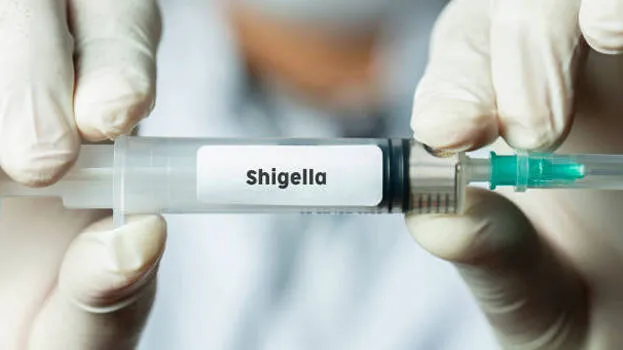
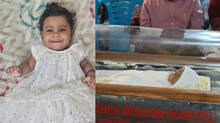
THIRUVANANTHAPURAM: While various infectious diseases often emerge with the onset of summer, the current challenge is Shigella. Recently, a Shigella outbreak in Peruvayal Panchayat, Kozhikode, tragically claimed the life of a three-and-a-half-year-old girl and infected several others.
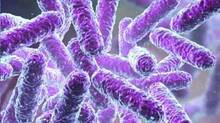
Shigella bacteria enter the body through contaminated water and unhygienic food. Consuming unsanitary soft drinks or undercooked food can lead to infection. Health experts emphasise that children under the age of five require special attention; their immune systems are still developing, and they are more likely to put their fingers in their mouths.
While the disease is often less severe in adults, they can still transmit the bacteria—particularly if an infected person prepares food for others. While stomach acid typically destroys many invading pathogens, Shigella is particularly dangerous because it has the ability to survive the body's acidic environment.
Warning Sign: Blood in Stool
Symptoms of Shigella, including fever and diarrhea, usually appear within three days of infection. In some cases, the bacteria attack the large intestine, causing internal wounds. If you notice blood in the stool, seek immediate medical attention to prevent serious intestinal damage.
Eliminating the Bacteria
If infected, follow these steps:
Preventive Measures
Shigella can lead to severe complications in children, including the destruction of red blood cells and potential kidney failure. Do not delay seeking medical advice if a child develops a fever and diarrhoea.
— Dr. Rajeev Jayadevan
Convenor, IMA Research Cell







 HOME
HOME LATEST
 NOTIFIED NEWS
 POLL
POLL KERALA
  EDITORIAL
  INDIA
INDIA  WORLD
WORLD  CINEMA
  SPORTS
  LIFESTYLE
  SPECIAL
  SCIENCE & TECHNOLOGY
 |
|