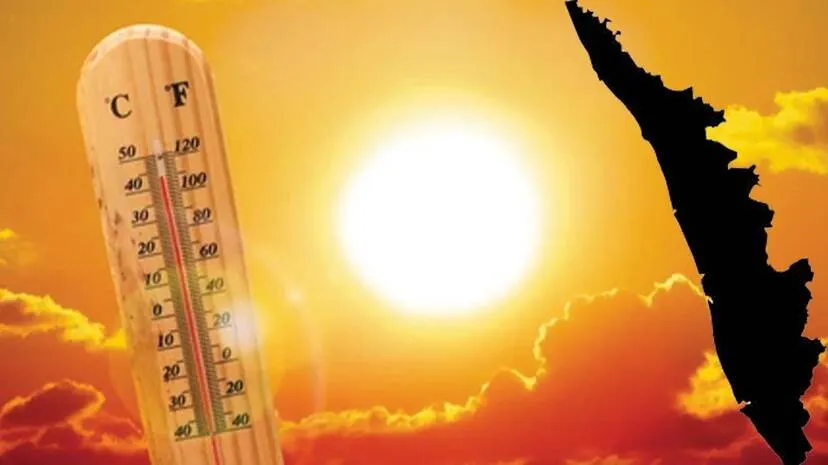
As summer temperatures escalate sharply across the state, the Central Meteorological Department has issued warnings of further intensity in the coming days. With daytime temperatures nearing 40°C, the absence of anticipated summer rainfall exacerbates an already precarious situation. If this dry spell persists, the public health and environmental consequences will likely become critical. Continuous exposure to ultraviolet radiation poses significant risks, including severe sunburn and various dermatological ailments, while the extreme heat heightens the danger of sunstroke and dehydration.
This meteorological crisis converges with broader socioeconomic pressures to create a challenging environment. During this period, the risk of fire becomes a paramount concern. Negligently discarded materials in unmanaged, overgrown vacant plots—often owned by absentee landlords—can lead to devastating wildfires. Local governing bodies, including corporations and municipalities, must prioritise the clearing of these neglected spaces, taking necessary action regardless of immediate owner availability to mitigate fire hazards. Furthermore, fire safety audits for ageing buildings, industrial facilities, and institutional structures demand urgent attention. Faulty or outdated electrical wiring frequently serves as the ignition point for short circuits, a risk that increases exponentially during periods of extreme ambient heat.
As drinking water scarcity becomes widespread, the outlook for April and May remains concerning; even the arrival of summer rains—predicted by experts for mid-March—may not offset the heat generated by the persistent El Niño phenomenon. In this context, proactive measures are essential. Maintaining hydration through the consistent consumption of boiled water is critical to preventing heat-related illnesses. The Labour Department must mandate adjustments to working hours for labourers and outdoor workers, particularly during the peak heat window of 11:00 am to 3:00 pm. Authorities must also implement rigorous precautionary protocols in high-risk zones, such as public markets, ageing infrastructure, and waste disposal facilities. Finally, the public must remain vigilant and seek immediate medical intervention at the onset of any symptoms related to heat exhaustion. The current situation requires a coordinated response from both the state administration and the citizenry. Through systematic preparation and strict adherence to safety protocols, the severe impacts of this challenging season can be managed.












 HOME
HOME LATEST
 NOTIFIED NEWS
 POLL
POLL KERALA
  EDITORIAL
  INDIA
INDIA  WORLD
WORLD  CINEMA
  SPORTS
  LIFESTYLE
  SPECIAL
  SCIENCE & TECHNOLOGY
 |
|