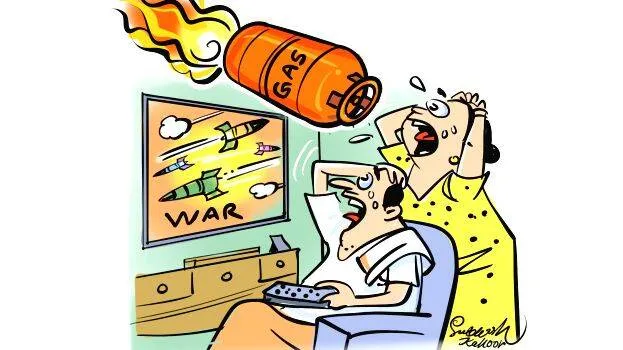
The acute shortage of cooking gas currently gripping the nation has sparked widespread concern, as supply chain disruptions from West Asia, exacerbated by ongoing conflict, take a heavy toll. In response, authorities have implemented stringent restrictions and price hikes on both domestic and commercial cylinders. Most notably, the transition from a former 15-day booking window to a mandatory 25-day gap has placed an immense burden on households. Consumers who once relied on more flexible delivery schedules now find themselves navigating a rigid, bureaucratic system that leaves those who missed a booking cycle effectively stranded. With agencies offering little assurance beyond the extended wait, the looming uncertainty forces a difficult question: if regional instability persists, can supply reliability be maintained, or is the current restriction merely the beginning of a deeper crisis?
Despite official assurances from the Centre regarding a two-month buffer stock of fuel, the imposition of these stringent restrictions from the outset raises significant questions about the necessity of such immediate consumer hardship. Across both urban and rural landscapes, dependency on LPG for daily cooking is now absolute. While rural areas may possess the potential for a temporary shift to traditional fuel sources, urban populations remain entirely tethered to gas supply. Furthermore, the current allocation framework lacks any mechanism for special consideration, failing to address the acute needs of households with large families or elderly members. The crisis is equally severe for the commercial sector, where the shortage of cylinders has pushed hotels and restaurants into a state of emergency. As industry associations warn that sustained supply issues will inevitably lead to widespread closures, the disconnect between national stock claims and ground-level availability remains a point of critical contention.
Since the conflict began, prices have risen by Rs 60 for domestic cylinders and Rs 115 for commercial ones, with rumors suggesting further hikes may follow if the war continues. Consumers are already paying significant premiums for non-subsidized gas. While the Centre has directed oil companies to increase production by 10 percent, the market shows no signs of improvement. Furthermore, a clear communication gap persists: while company representatives deny any domestic supply shortages, local agents continue to cite scarcity as the primary reason for these restrictive policies. Although State Food and Public Distribution Minister G.R. Anil has warned of strict action against hoarding, such measures remain secondary to the fundamental issue of supply.
The crisis has further intensified following the closure of the Strait of Hormuz. With this critical route blocked, Gulf nations have scaled back production, leaving countries like India—which rely heavily on Gulf fuel imports—facing a severe challenge. While the public must exercise restraint in gas consumption, the responsibility of the state is even greater. Oil companies must urgently accelerate procurement efforts from alternative sources, and governments must move beyond administrative posturing to provide real relief. As a prolonged crisis carries grave risks for the nation, central and state authorities must handle the situation with far greater care and transparency.














 HOME
HOME LATEST
 NOTIFIED NEWS
 POLL
POLL KERALA
  EDITORIAL
  INDIA
INDIA  WORLD
WORLD  CINEMA
  SPORTS
  LIFESTYLE
  SPECIAL
  SCIENCE & TECHNOLOGY
 |
|